




Let the field exult, and all that is in it; then all the trees of the forest will sing for joy.— Psalm 96:12
Jewish joy begins in wonder: sunlight winking through the trees, rosemary crushed between our fingers, a shared meal, a song rising from many voices. The natural world keeps inviting us to pay attention to beauty, to gratitude, to the astonishing fact that we are here at all.
After the hard work of Rosh Hashanah and Yom Kippur, of looking honestly at our lives, repairing relationships, apologizing for where we missed the mark, forgiving, and coming home to our best selves…what is it all for?
To be joyful.
Maybe Rosh Hashanah, Yom Kippur, and Sukkot can be understood as one big holiday. If we imagine the High Holidays as a concert, Sukkot is our encore: the moment when, having done the deep work, we are invited to step outside and celebrate being alive.
Sukkot is called Zman Simchateinu (the time of our joy). And remarkably, Jewish tradition actually commands us to rejoice during this holiday. Can happiness be ordered and scheduled? Can joy be cultivated? Not just for a fleeting moment, but for seven or eight days?
Our tradition tells us: yes.
And notice where Sukkot sends us to find it. Not to a spa. Not toward distraction or escape. We go outside, to dwell in a sukkah, to immerse ourselves in the elements, to eat, sing, gather, and celebrate beneath the open sky.
This is not a Pollyanna vision of happiness. Jewish joy does not ask us to ignore history, trauma, personal sorrow, or the suffering and uncertainty of the world around us. We can make room for fear, grief, geopolitical tensions, fighting, climate anxiety, and the difficult things in our own lives—and still turn toward laughter and light.
Sukkahfest was sold out at both Isabella Freedman and Pearlstone. There is such beauty and wonder in these immersive retreats when a Jewish holiday celebration becomes so much more – children make life-long friends, scholars present thought-provoking ideas, souls gather making a magical thrumming as their voices join together during Hallel, and the farm-to-table kosher food is truly next-level. And now we step into the Simchat Torah, bringing meaning and joy along with rich fall sunsets, to our guests joining us for the final fall holiday retreats.
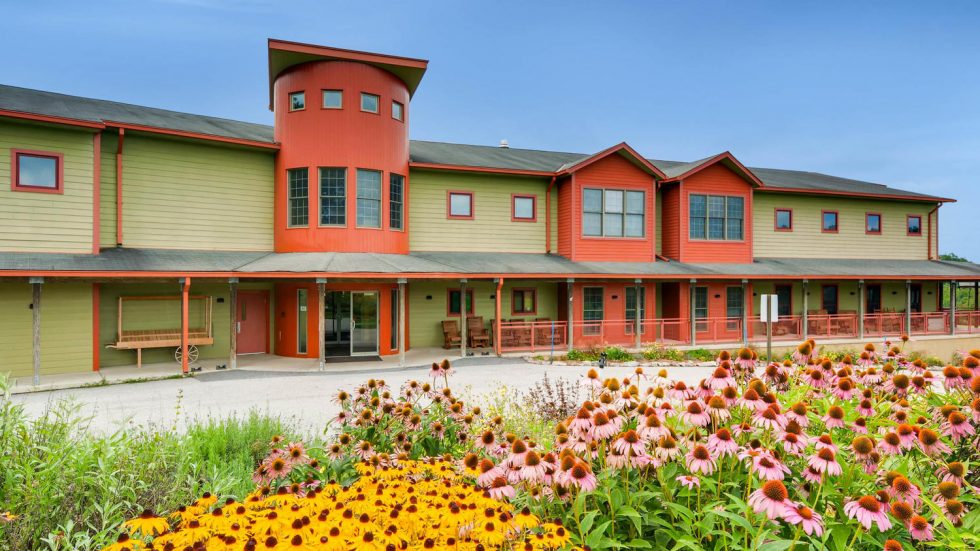
At Adamah, we have the opportunity to trade the buzz of the inbox for the buzz of bees. Forests, fields, farms, lakes, ponds, and generous skies give us room to breathe deeply, pay attention, and rediscover delight. Retreat is not simply a pause from the world; it is a chance to return to it more awake and grounded.
Our outdoor Jewish education turns the whole landscape into a beit midrash (a house of learning). A garden row can teach patience. A woodland trail can spark a question. A night of stars can make even the chattiest camper fall silent in awe. Through farming, prayer, song, shared meals, holiday practices, muddy hands, and muddy feet, Jewish wisdom becomes something we can taste, touch, and experience.
And perhaps this is one of the great recipes for lasting happiness: doing the hard work of becoming more whole and then making space to experience joy.
We don’t escape the world through joy. We return to it with more energy for the work ahead. Joy puts a little spring in our step. It reminds us of what we are working to protect, repair, and build.
So, in these days of Sukkot and Simchat Torah, make time to laugh, dream, and hope. Taste the abundance of the fields. Dance beneath the wide sky. Sit with friends and family. Welcome happiness back into your body. Let the trees join the chorus.
And if you or someone you know is looking for support in finding Zman Simchateinu, we invite you to join us next year for one of our Sukkot or other holiday retreats. You will find yourself immersed in a community uplifting what is possible and bringing the deepest values of the holidays to life, surrounded by hills, forests, lakes, ponds, and the beauty of the living world.
May the joy we kindle together stay in our bodies for the year ahead and help grow a vibrant Jewish future rooted in land, community, and love.
With gratitude,

Eve Wachhaus
Chief Operating Officer

Yoni Stadlin
Chief Program Officer